
A team lead's perspective on what's going on in Edmonton - honest and ugly
Tom Dean • September 22, 2026
The time to buy is when there's blood in the streets - Nathan Mayer Rothschild

What you see depends on where you are and what you do.
Our team does a high volume of deals, but because we've integrated different specializations within the team, we get to see a bit of everything. Our exposure to the institutional (Vancouver/Toronto based firms) is less extensive than our competitors, but our local exposure is very good and our understanding of the needs and thoughts of local owners and occupiers is very, very good.
Industrial - the sector sees very strong demand, and there is always buyers for multibay industrial assets. Right now, there is a mismatch between the cost to build, and rental rates, with many developers delaying projects due to the economics of the capitalization. This is not true in the largest format of spaces where economics of scale still apply, but it will be soon. We will see rates rise across the board starting with small format space then rippling through the industry as a whole. The cost of steel and new tariffs will also have an impact that will make it nearly impossible to develop new industrial product. Opportunities are that lease rates should be going up, so projects that are marginal or value add should become more mainstream. Risk is that cost of capital is rising, even as the BOC holds interest rates firm, banks are increasing their rates in many cases to adjust for the risk that they see in the market (again - this is tariffs, economic headwinds, AI).
Office - in Edmonton right now, there are only a handful of buyers for institutional or downtown office buildings. While some indicators are positive, that has not translated to a significantly higher volume of office sale transactions. While there are a few notable transactions, this sector is the weakest. To invest in this sector, you need a plan, then a plan "B" and a plan "C" - this is not for the faint of heart. Institutional companies tend to trade at a lower cap rate (higher value) than the private market, this is largely the result of fantasy, and many of these ownership groups are or will come crashing down to earth to find more realistic valuations. As this occurs it will create an opportunity for private investors to enter an oversaturated, tired, and risky secondary market for office assets.
Retail - is a mixed bag. Institutional retail is its own beast with its own structural features that are specific to it. I don't have much to say about this. Private retail cares a lot about the track record of the tenants - these owners actually want their assets to perform well. Second to the importance of location, success in this class for both the private landlord and the private tenant is to control up-front cost on retail buildout. Many retail buildouts are now in excess of $300/sqft, which is often more than the real estate itself would sell for. The result is that spaces that are positioned for a similar secondary user will set them up for success can reasonably do deals with a weaker financial covenant with a greater than average chance for success. This requires a listing agent that can put the property in front of the right people to maximize the value already present in the property. Start with "what is the highest and best use?"
Medical - is a strong category, and I don't see this changing. Medical is strong because doctors have access to financing that is not available to the rest of us. The way the bank looks at it is that as long as the principal doctor has a good life insurance policy, their risk in the deal is virtually nil, doctors have a guaranteed government income, and any doctor with half-ways decent management will get financing from the institution of their choice (although some banks are better than others). Additionally, the sector is strong because many doctors are migrating internationally (especially from the UK) and locally (from in and out of province) - overall we have net positive migration of doctors. Additionally, the doctors who are already here are increasingly trying to get away from the hospitals and AHS run facilities. Outside of doctors, dentists share many of the same features as a medical practice, but it's even harder for them to move once they are established.
On the finance side, as mentioned above, the world is changing, and even as the BOC keeps rates steady, the banks know that the risk in the market is increasing and their parameters are changing to match the new reality.
Tariffs, and the new reality with our allies to the south may have a sustained and lasting impacts on landlords and their tenants.
The Tenant's problems become the landlord's problems, the landlord's problems become the bank's problems, the bank's problems become everyone's problems.
For sellers, the biggest thing will be curating, or choreographing (pick your word) an exit that meets your needs. This market is not likely to get better in the near term and both a sale, and continued ownership require a plan that's rooted in reality, and not some half-baked notion of how the world works.
The time to buy is when there's blood in the streets - Nathan Mayer Rothschild
The time to sell, presumably, is before that.
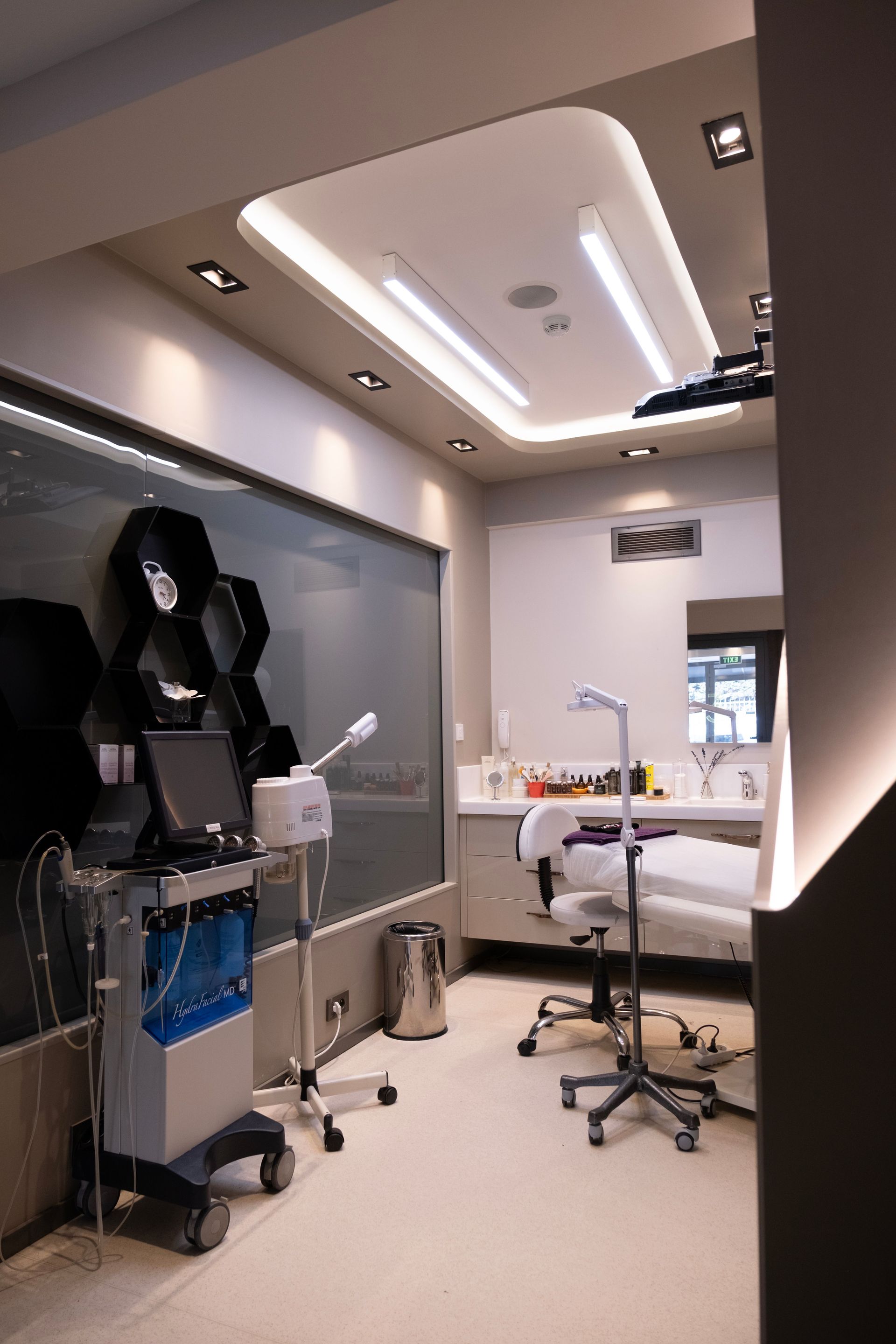
Edmonton physicians: how to buy your clinic building with no down payment using physician-specific financing from RBC, TD, and Scotiabank.

How can you maximize the value in your commercial property? This article lists three main ways to improve your value.

This article talks about healthcare specific real estate considerations, and how to build a team, and occupy the best possible space for your practice.
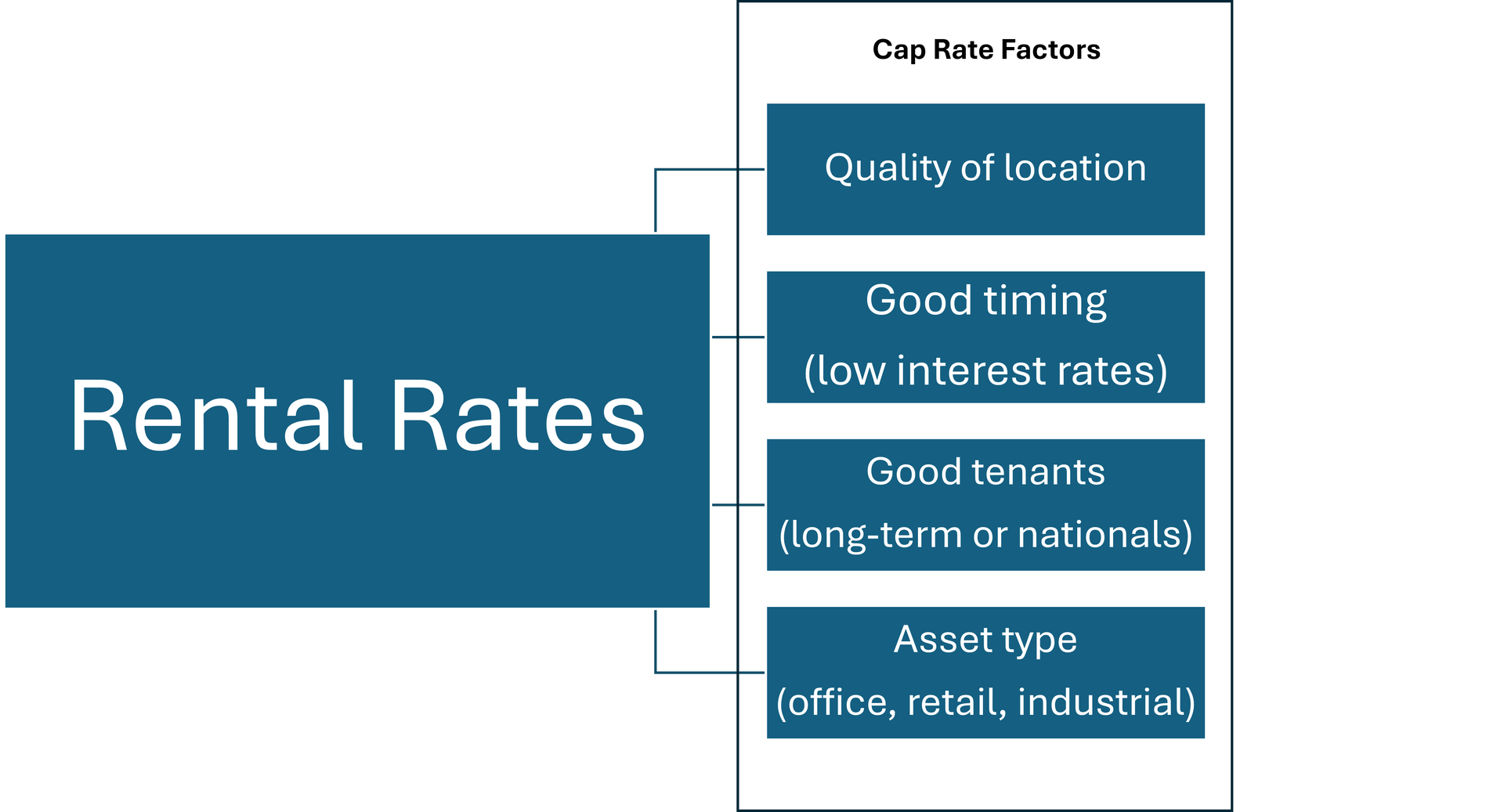

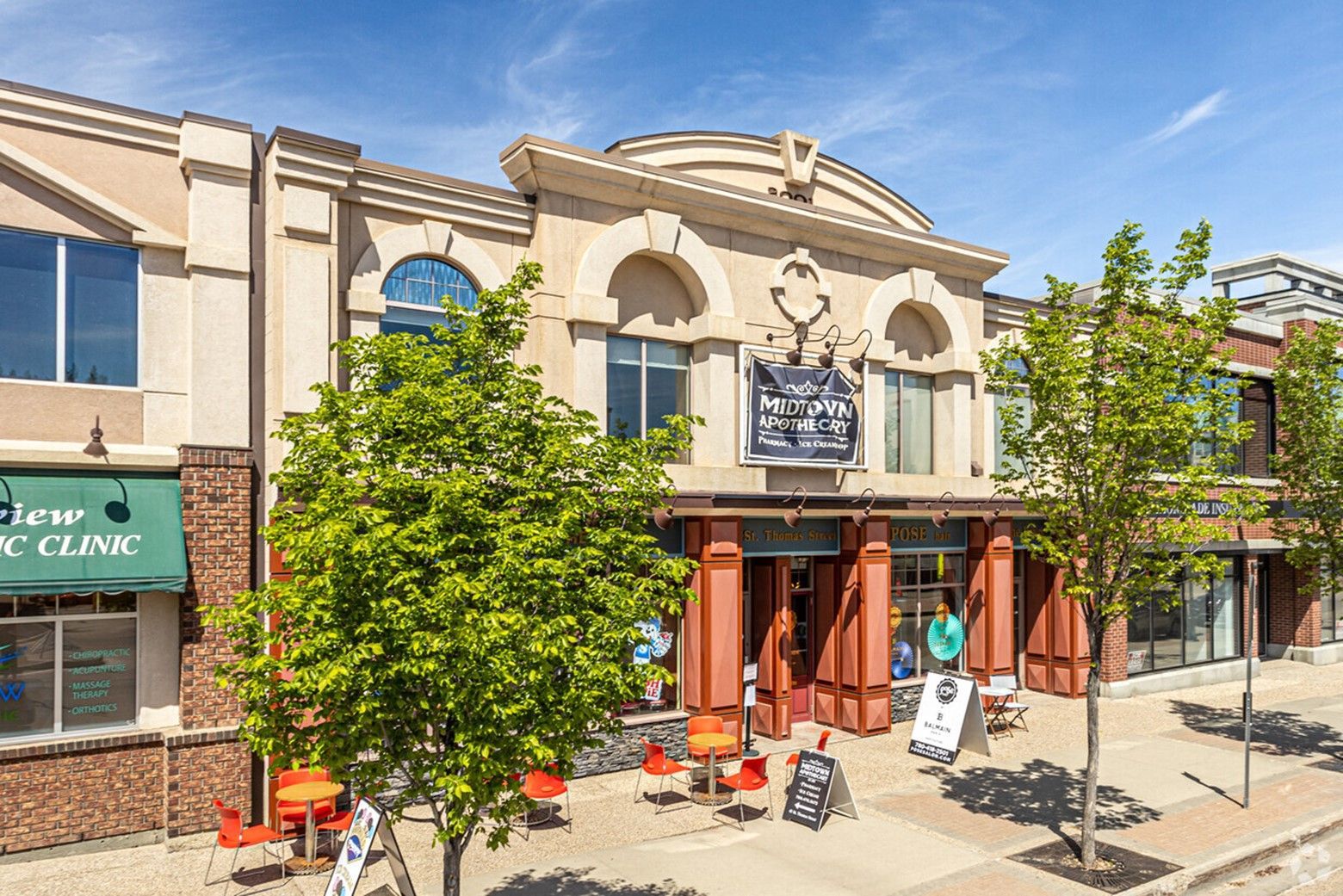
What are cap rates and how do they affect real estate values? Read this article to find out.


This is an article about how best to position, and make decisions on disposing of commercial real estate assets.

A description of how leaseback transactions work in commercial real estate.