What Most Doctors Don't Know About Owning Their Clinic Space
What many doctors miss
If you're a family doctor or specialist practicing in Edmonton, this is one of the most overlooked financial advantages available to you.
Most doctors rent their space for their entire career. Not because ownership doesn't make sense — it almost always does — but because nobody ever walked them through how it actually works. This article is that walkthrough.
The Financial Advantage Most Doctors Never Use
Here's what surprises physicians most when we start this conversation: you likely don't need a down payment.
RBC, TD, and Scotiabank all offer physician-specific commercial financing programs. If you occupy more than 50% of a building, these programs will often cover 100% of the purchase price and the cost of building out your clinical space. No equity required. No down payment.
That means a doctor can go from tenant to building owner — with a fully built-out clinic — for little to nothing out of pocket on day one.
Most physicians don't know this program exists. The ones who do are quietly building real estate portfolios while continuing to practice.
We work directly with lenders at all three banks who specialize in these programs and can make introductions when the time is right.
Why Medical Office Is One of the Best Assets in the Market
From an investment standpoint, medical office is consistently one of the most sought-after asset classes in Edmonton — and for good reason.
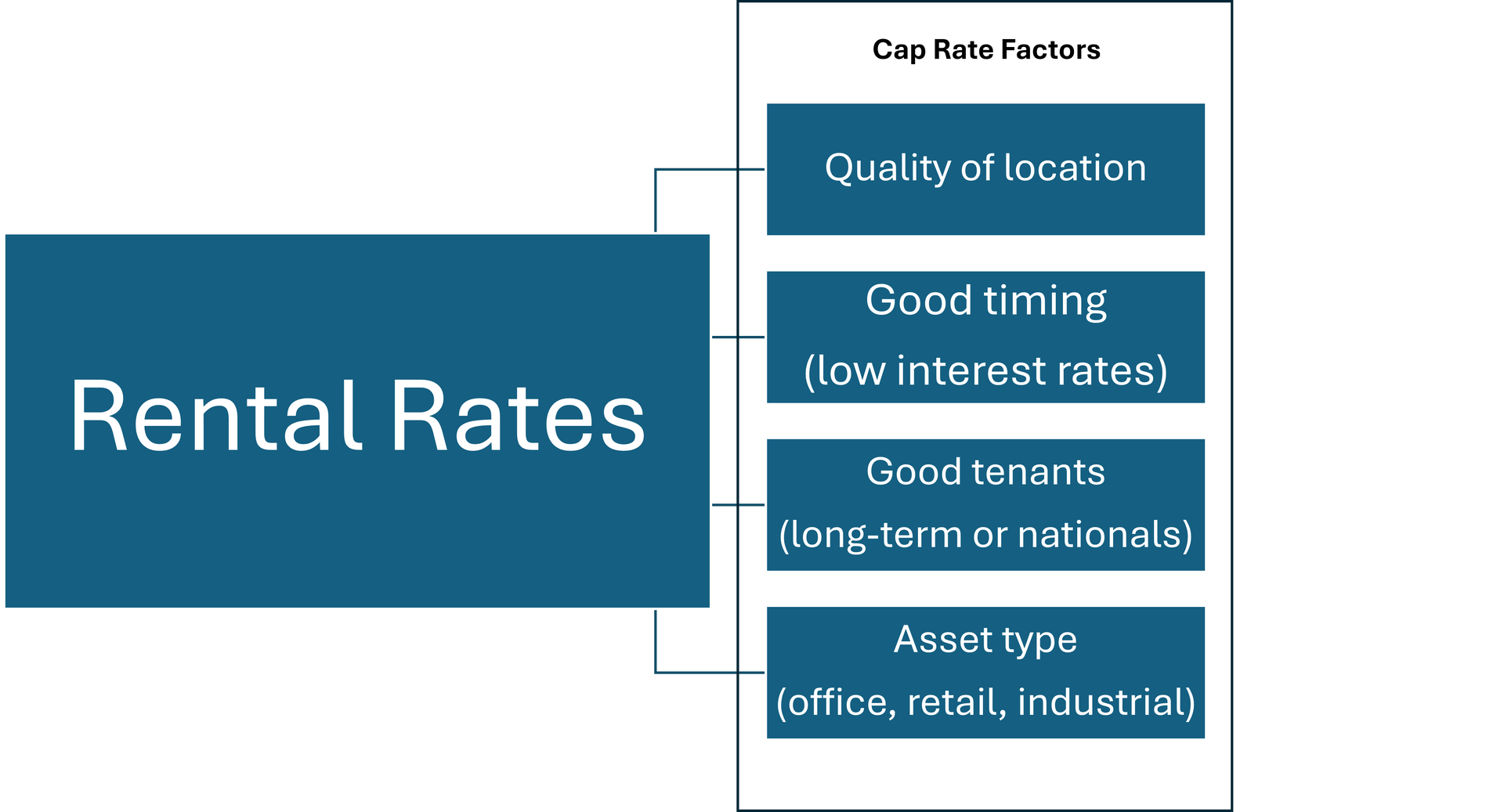
Cap rates for medical product typically run 6.5% to 7.5%, which is tighter than general office. That premium exists because of one thing: tenant behaviour.
Medical tenants don't move. Their patient base is built around their location. Their practice is built around their space. When a family doctor or specialist signs a lease, they're usually there for 10, 15, 20 years. That kind of stability is rare in commercial real estate and investors pay for it — which means if you own the building, you benefit from it.
As a physician, you're not just buying a building. You're securing the single most stable tenancy the market has to offer — your own practice — and capturing the investment upside that your landlord has been collecting for years.
What the Process Actually Looks Like (And How Long It Takes)
It's not quick.
The timeline for a full owner-user project — from search to move-in — is typically 12 to 24 months. That includes finding the right building, completing due diligence, financing, permitting, construction, and fit-up.
This isn't a quick transaction. It's a project. And the doctors who get the best outcomes are the ones who start planning well before they need to move.
The other thing doctors tell us consistently: the process of dealing with sellers, lawyers, lenders, and contractors is time-consuming and frustrating — especially when you're running a practice at the same time. We can make introductions and guide the entire process on your behalf, including introductions to lenders with physician programs, contractor recommendations with deep healthcare construction experience, and navigating the technical requirements (HVAC, plumbing, accessibility) that can make or break a medical space before you ever sign anything.
We've disqualified buildings that looked right on paper but had fundamental issues — ventilation systems that couldn't be adapted, structural limitations, accessibility constraints — that would have cost significant money to fix, if they could be fixed at all.
Family Doctors vs. Specialists: It's Not the Same Build
The complexity of your space matters significantly when evaluating a building.
For family physicians, the buildout is relatively straightforward. The main cost drivers are HVAC and plumbing — both manageable and well-understood by experienced healthcare contractors. Exam rooms are small and spaces are efficient.
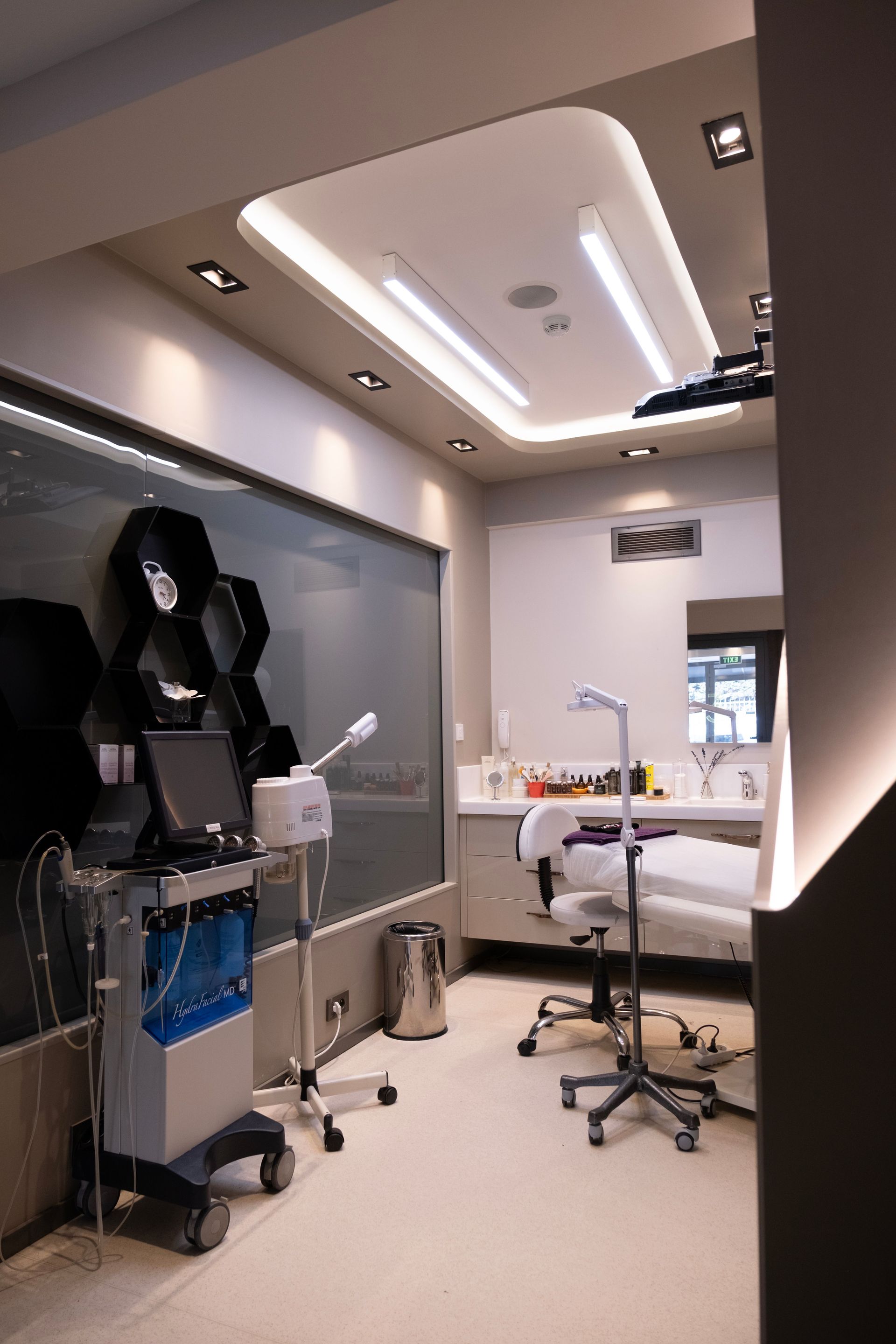
For specialists, the calculus changes. Depending on your discipline, you may need procedure rooms rather than standard exam rooms, specialized ventilation, specific structural requirements, or unique equipment configurations. Gynaecologists, ENT specialists, dermatology, plastic surgery, and others with procedure-room needs require a fundamentally different assessment of any space or building being considered.
We work with contractors who have built extensively for both categories. The questions we ask on a site visit are different depending on who the end user is — and that matters when you're deciding whether a building is worth pursuing.
You Can Own It and Never Think About It
One objection we hear occasionally: "I don't want to be a landlord."
Fair enough. You went to medical school, not property management school.
The good news: you don't have to manage anything. We work with property management companies that handle day-to-day operations completely. You own the asset, your practice occupies the space, and the management is entirely hands-off. You're essentially a tenant in your own building — but instead of your rent building someone else's equity, it's building yours. You determine your own level of involvement.
If You're Thinking About It, Start the Conversation Now
Given the timeline involved, the best time to start exploring ownership is before you feel urgency. Doctors who are 18 months from a lease renewal or a practice transition are in the ideal position to plan properly.
If you know a colleague who's been thinking about this — please feel free to share this article. These programs and opportunities don't get talked about enough in the medical community, and the doctors who know about them consistently wish they'd started sooner.
If you'd like to explore what's available for your situation, we'd be happy to schedule a time to talk. There's no commitment involved — just a straightforward conversation about what ownership could look like for you.
Text or email me:
Tom Dean
780-920-8019
tom@lizotterealestate.com